
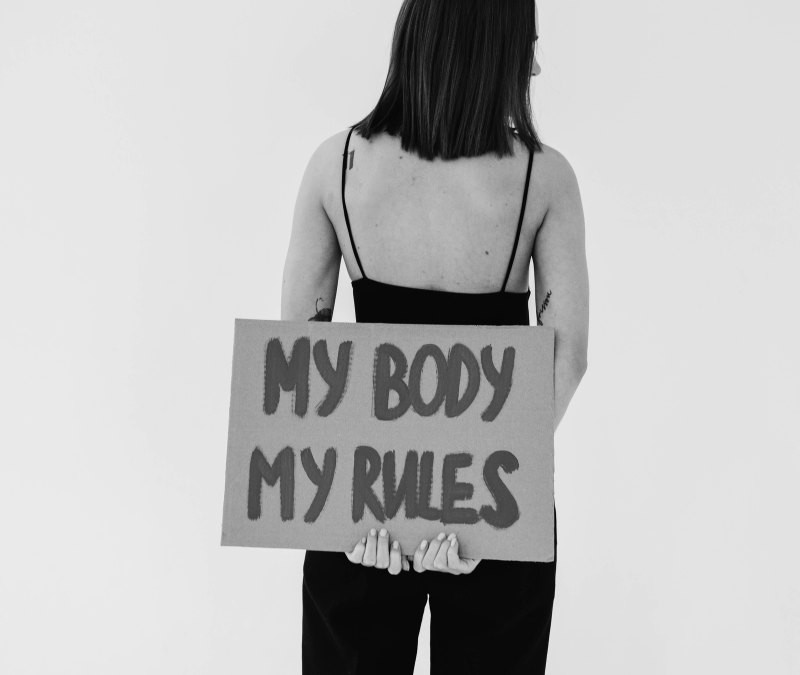
The debate surrounding the issues of prolife and prochoice has been a contentious topic for decades. It centers around one fundamental question: when does life begin, and what are the rights and responsibilities associated with it? Both sides of the argument hold deeply held beliefs and values, making this a complex and emotionally charged discussion. In this blog post, we will explore the key arguments and considerations from both the prolife and prochoice perspectives, with the aim of fostering a better understanding of this enduring debate.
The Prolife Perspective:
The prolife movement asserts that life begins at conception and argues for the protection of unborn children. Advocates believe that every human being, regardless of their stage of development, has an inherent right to life. They view abortion as an act of violence and a violation of the unborn’s right to life. Prolife supporters often cite religious, moral, and ethical beliefs, emphasizing the sanctity of human life. They argue that alternatives, such as adoption or support systems, should be pursued instead of terminating pregnancies.
Proponents of the prolife stance also argue that advances in medical science have provided evidence of fetal development at early stages, challenging the notion that a fetus is merely a clump of cells. They emphasize the potential for life and argue that society should prioritize protecting the most vulnerable members, including the unborn.
The Prochoice Perspective:
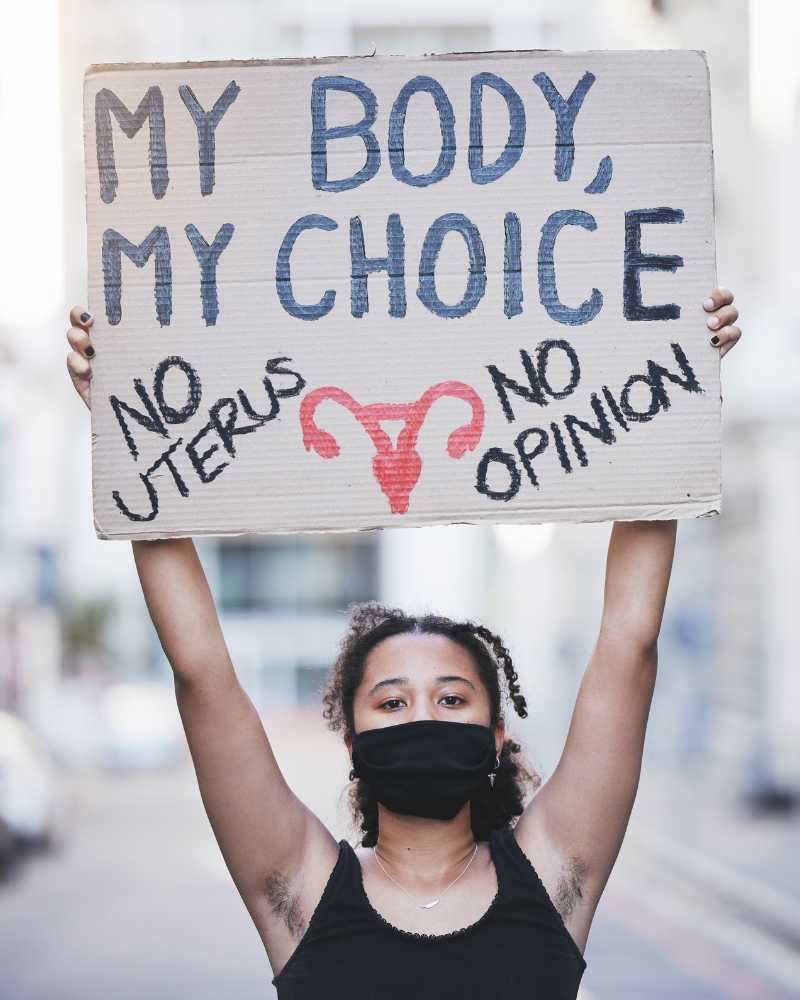
The prochoice movement asserts that a woman has the right to make decisions regarding her body, including the choice to have an abortion. Advocates argue for reproductive freedom, autonomy, and the importance of a woman’s right to control her own life and future. They emphasize that every pregnancy is unique, and circumstances differ greatly. Prochoice supporters argue that women should have access to safe and legal abortion services to protect their physical and mental well-being.
Prochoice advocates also argue that limiting or banning abortions does not eliminate them but instead drives them underground, posing risks to women’s health. They emphasize that comprehensive sex education, access to contraception, and supportive social structures are essential in reducing the number of unintended pregnancies and the need for abortion.

Wade vs. Roe: The Landmark Case:
In the United States, the prochoice perspective gained significant legal ground with the Supreme Court decision in the case of Roe v. Wade in 1973. This landmark ruling established a woman’s constitutional right to privacy, including the right to choose to have an abortion. The Court held that states could not prohibit abortions in the early stages of pregnancy, recognizing the importance of a woman’s autonomy and reproductive freedom.
The decision in Roe v. Wade, while hailed as a victory by prochoice advocates, has remained a highly controversial topic. It has been challenged by those in the prolife movement who believe that the ruling undervalues the rights of the unborn. This ongoing legal and political debate has shaped the landscape of reproductive rights and abortion legislation in the United States.
Common Ground and Nuanced Considerations:
While the prolife and prochoice perspectives often appear to be in direct conflict, it is crucial to recognize that both sides share common ground in their concern for human life and well-being. Many proponents on both sides agree that reducing the need for abortion is a desirable goal. This shared objective can serve as a basis for constructive dialogue and collaboration to find solutions that prioritize the health and rights of women while considering the sanctity of life.
In addition, it is essential to acknowledge the complex and varied circumstances surrounding each individual’s decision regarding abortion. Factors such as health risks, economic stability, personal beliefs, and family support all play a role in shaping a person’s perspective. Understanding and respecting these complexities can foster empathy and allow for more nuanced discussions.
The prolife vs. prochoice debate is a multifaceted and emotionally charged conversation that revolves around deeply held beliefs, values, and rights. The landmark case of Roe v. Wade in the United States has played a significant role in shaping the legal landscape of abortion rights. However, the debate extends far beyond legal considerations, delving into moral, ethical, and personal beliefs.
Approaching this discussion with empathy and seeking common ground is essential. Understanding the complexities surrounding individual choices and circumstances can foster a more constructive dialogue. Ultimately, finding solutions that respect both the sanctity of life and the rights of women will require open-mindedness, compassion, and a commitment to dialogue.
References:
- Roe v. Wade, 410 U.S. 113 (1973).
- American Civil Liberties Union (ACLU): Reproductive Freedom Project. [https://www.aclu.org/issues/reproductive-freedom]
- National Right to Life: Abortion Information. [https://www.nrlc.org/abortion/]
- Planned Parenthood: Abortion Services. [https://www.plannedparenthood.org/learn/abortion]